Here’s your passage translated into English:
—
Nagercoil, located in today’s Kanyakumari district of Tamil Nadu, was once part of the former kingdom of Travancore.
The town gets its name Nagercoil (“Temple of the Serpent”) from the ancient and renowned Nagaraja Temple situated here.
It was King Veera Udaya Marthanda Varma, ruler of Venad, who built the Anantakrishna Temple here. According to legend, the king was afflicted with a severe skin disease. When he came to this temple, he prayed and applied the sacred white sand (prasadam) on his body, upon which he was cured. Out of gratitude for his recovery, the king built the temple.
The temple has two main deities of equal importance: Vasuki, the Serpent King (Nagaraja), and Krishna, worshipped here as Anantakrishna.
At the entrance, two serpent sculptures about six feet tall serve as Dwarapalakas (guardians). The original abode (moolasthana) of Nagaraja is located outside the temple. This deity is believed to be swayambhu (self-manifested). The exact antiquity of the Nagaraja idol is not determined. Tradition says that once, while harvesting paddy in the fields, a woman cut a paddy stalk and blood oozed out. Terrified, she called the villagers, and they discovered the idol of the Serpent King there. From that day, worship began by covering the spot with palm leaves. The moolasthana has been preserved without much alteration. Devotees believe that the head of the serpent idol rests in the sanctum, while its tail lies in the temple pond. The white sand from the spring near the moolasthana is given as prasadam to devotees.
The sanctum sanctorum (sreekovil) of Nagaraja Temple has three main shrines:
At the center, beneath a roof of palm leaves, is the five-hooded Serpent King seated in water.
On the right, the shrine of Anantakrishna (Maha Vishnu).
On the left, the shrine of Shiva as Kashi Nathar.
Besides Nagaraja and Anantakrishna, other subsidiary deities are Shiva, Subrahmanya, Ganapati, and Devi. Interestingly, the shrine of Shiva is situated between those of Nagaraja and Anantakrishna.
This temple is also connected with the famous Pambumekkattu Mana in Thrissur, Kerala. The priests here traditionally belong to that family lineage.
On the pillars of the inner hall (ul mandapam), carvings of Jain Tirthankaras such as Parsavanatha and Mahavira are found. The gateway of the Nagaraja Temple, called Mahamerumalikai, is constructed in the architectural style of Buddhist temples.
In both Shaiva and Vaishnava traditions, the serpent holds great significance: Shiva wears serpents as ornaments around his neck, while Vishnu rests upon the serpent Ananta as his divine couch. This highlights the ancient and sacred tradition of serpent worship as revealed through Puranas and epics.
Serpent worship (Sarpa Aradhana or Naga Aradhana) is the ritual of revering snakes as divine beings. This practice has existed since ancient times across different parts of the world. Here, the serpent is regarded as a divine symbol—either mythological or religious. It is believed that serpent worship may have originated as humankind’s attempt to honor and appease natural forces and living beings that they could neither control nor subdue.
The land of Kerala was once described as Ahibhoomi (“the land of serpents”), while the Western Ghats were called Sahyadri (sa + ahi + adri = “the mountains filled with serpents”) by the Aryans. This reflects the prominence and importance of serpent worship in this region.
—
Would you like me to keep this in a simple storytelling style (like a temple guide) or make it more formal and academic (like an article or research note)?
പഴയ തിരുവിതാംകൂർ രാജ്യത്തിന്റെ ഭാഗമായിരുന്നു തമിഴ്നാട്ടിലെ കന്യാകുമാരി ജില്ലയിൽ സ്ഥിതി ചെയ്യുന്ന നാഗർകോവിൽ.
പുരാണ പ്രസിദ്ധമായ നാഗരാജ ക്ഷേത്രം നിലകൊള്ളുന്നതു കൊണ്ടാണ് നാഗർകോവിലെന്ന് പേരുവന്നത്.
വേണാട് ഭരിച്ചിരുന്ന വീര ഉദയ മാർത്താണ്ഡ വർമയാണ് ഇവിടെ അനന്തകൃഷ്ണ ക്ഷേത്രം നിർമിച്ചത്. ചർമരോഗം പിടിപെട്ട രാജാവ് ഇവിടെ വന്ന് പ്രാർഥിച്ച് മണൽപ്രസാദം ദേഹത്ത് പുരട്ടിയതോടെ രോഗം മാറിയെന്ന് പറയപ്പെടുന്നു
രോഗം മാറിയതിന് നന്ദിസൂചകമായാണത്രെ രാജാവ് ഇവിടെ ക്ഷേത്രം പണികഴിപ്പിച്ചത്.
രണ്ട് പ്രധാന പ്രതിഷ്ഠകളാണ് ഈ ക്ഷേത്രത്തിലുള്ളത്. നാഗരാജാവായ വസുക്കിക്കും അനന്തകൃഷ്ണൻ എന്ന് അറിയപ്പെടുന്ന കൃഷ്ണ പ്രതിഷ്ഠയ്ക്കും തുല്ല്യ പ്രാധാന്യമാണ് ഈ ക്ഷേത്രത്തിൽ.
ആറടിയോളം ഉയരമുള്ള രണ്ട് നാഗ ശില്പങ്ങളാണ് ദ്വാരപാലകർ.ക്ഷേത്രത്തിനു പുറത്താണ് നാഗരാജാവിന്റെ മൂലസ്ഥാനം. ഇവിടുത്തെ പ്രതിഷ്ഠ സ്വയംഭൂ ആണെന്നാണ് വിശ്വാസം. നാഗരാജ പ്രതിഷ്ഠയുടെ പഴക്കം കൃത്യമായി നിർണയിക്കപ്പെട്ടിട്ടില്ല. വയലിൽ നെല്ലു കൊയ്തുകൊണ്ടിരുന്ന സ്ത്രീ ഒരു നെൽച്ചെടി അരിഞ്ഞപ്പോൾ രക്തം കണ്ടെന്നും ഭയന്നോടിയ അവർ നാട്ടുകാരേയും കൂട്ടി തിരിച്ചുവന്നു നോക്കിയപ്പോൾ അവിടെ നാഗരാജാവിന്റെ വിഗ്രഹം കണ്ടെന്നുമാണ് ഐതിഹ്യം.
അന്നുതൊട്ട് അവിടെ ഓലകൊണ്ട് പുരകെട്ടി ആരാധന തുടങ്ങി. മൂലസ്ഥാനം ഇപ്പോഴും വലിയ മാറ്റങ്ങൾ ഇല്ലാതെ സംരക്ഷിച്ചിരിക്കുന്നു. പ്രതിഷ്ഠയുടെ ശിരസ്സ് മൂലസ്ഥാനത്തും വാൽ ക്ഷേത്രവളപ്പിലുള്ള കുളത്തിലുമാണെന്ന് ഭക്തർ പറയുന്നു. മൂലസ്ഥാനത്തുള്ള നീരുറവയിൽനിന്നു വരുന്ന വെളുത്ത മണലാണ് ഭക്തർക്ക് നൽകുന്ന പ്രസാദം.നാഗരാജക്ഷേത്രത്തിലെ ശ്രീകോവിലില് മൂന്ന് പ്രധാന സന്നിധികളാണുള്ളത്.
മദ്ധ്യഭാഗത്ത് ജലത്തില് ഓലകൂരയ്ക്ക് കീഴെ കുടികൊള്ളുന്ന അഞ്ചു തലയുള്ള നാഗരാജസന്നിധിയും, വലതുഭാഗത്ത് അനന്തകൃഷ്ണനായി മഹാവിഷ്ണു സന്നിധിയും, ഇടതുഭാഗത്ത് കാശിനാഥനായ ശിവന്റെ സന്നിധിയുമാണുള്ളത്.
നാഗരാജാവിനും അനന്തകൃഷ്ണമൂർത്തിക്കും പുറമെ ഉപദേവതമാരായി ശിവൻ, സുബ്രഹ്മണ്യൻ, ഗണപതി, ദേവിപ്രതിഷ്ഠകളും ഇവിടെയുണ്ട്. നാഗരാജാവിനും അനന്തകൃഷ്ണമൂർത്തിക്കും ഇടയിലാണ് ശിവപ്രതിഷ്ഠ.തൃശൂർ ജില്ലയിലെ പ്രസിദ്ധമായ പാമ്പു മേക്കാട്ടു മനയുമായി ബന്ധമുള്ളതാണ് ഈ ക്ഷേത്രം.പാമ്പുമേക്കാട്ടു മനയിൽ നിന്നുള്ളവരാണ് നാഗർകോവിലിലെ ഈ ക്ഷേത്രത്തിലെ പൂജാരിമാർ
ഉള്മണ്ഡപത്തൂണുകളില് ജൈനമതവുമായി ബന്ധപ്പെട്ട തീര്ത്ഥങ്കരന്മാര് പര്സാവന്ത് മഹാവീര എന്നിവരുടെയും ശിലപങ്ങള് കൊത്തിയിട്ടുണ്ട്. മഹാമെരുമാളിക എന്നറിയപ്പെടുന്ന നാഗരാജക്ഷേത്രത്തിന്റെ കവാടം നിര്മ്മിച്ചിരിക്കുന്നത് ബുദ്ധദേവാലയങ്ങളുടെ ശൈലിയിലാകുന്നു.
ശൈവ വൈഷ്ണവ ആരാധനയിലും നാഗത്തിന് വളരെ പ്രാധാന്യമുണ്ട്. നാഗത്തെ കഴുത്തിൽ ആഭരണമായണിയുന്ന ശിവനും, ശയനമായി വിഷ്ണുവും നാഗമഹിമയുടെ പൗരാണികചാരത്തിന്റെ മഹത്വം പുരാണോതിഹാസങ്ങളിലൂടെ വെളിവാക്കുന്നു.
പാമ്പിനെ ദൈവമായി കണക്കാക്കുകയും അവയെ ആരാധിക്കുകയും ചെയ്യുന്ന രീതിയാണ് സർപ്പാരാധന അഥവാ നാഗാരാധന. പ്രാചീനകാലം മുതൽ ലോകത്ത് പലയിടങ്ങളിലും ഈ സമ്പ്രദായം നിലനിന്നിരുന്നു. ഇതിൽ പുരാവൃത്തപരമോ മതപരമോ ആയ ദേവത/പ്രതീകം ആയിട്ടാണ് നാഗത്തെ കല്പിച്ചിട്ടുള്ളത്. തനിക്ക് കീഴടങ്ങുകയും നിയന്ത്രിക്കുകയും ചെയ്യാനാവാത്ത പ്രകൃതിശക്തികളേയും ജീവജാലങ്ങളേയും മനുഷ്യൻ ആരാധിക്കുകയും പ്രീതിപ്പെടുത്താനോ ശ്രമിക്കുകയും ചെയ്തതിന്റെ ഭാഗമായിട്ടായിരിക്കണം സർപ്പാരാധനയുടെ തുടക്കം എന്ന് കണക്കാക്കപ്പെടുന്നു.
അഹിഭൂമി”[സർപ്പങ്ങളുടെ നാട്] എന്നു കേരളത്തേയും “സഹ്യാദ്രി”[സ+അഹി+അദ്രി=സർപ്പങ്ങൾ നിറഞ്ഞ പർവ്വതം] എന്ന് പശ്ചിമഘട്ടത്തേയും ആര്യന്മാർ വിശേഷിപ്പിച്ചത് ഈ ഭൂവിഭാഗത്തിന്റെ സർപ്പാരാധനയുടെ പ്രാധാന്യം പരിഗണിച്ചാവണം.
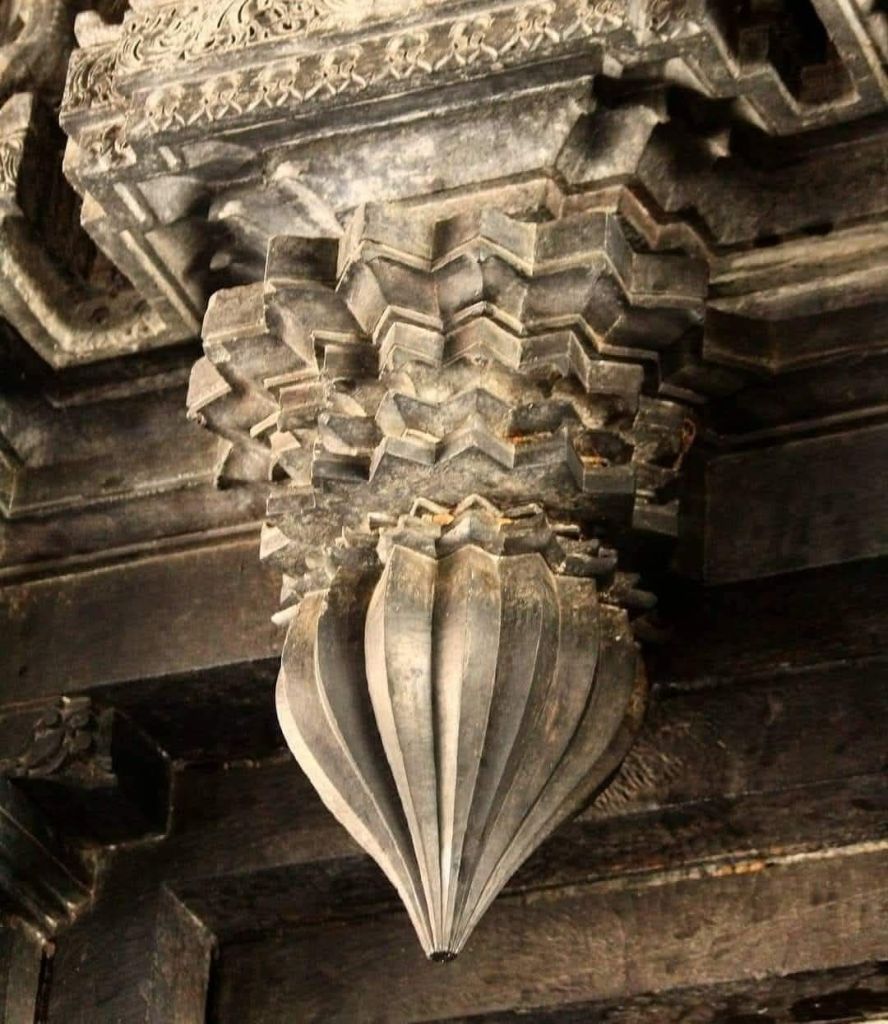
A lotus upside down
നൂതന സാങ്കേതികവിദ്യയില്ലാതെ ഇത് സാധ്യമാണെന്ന് നിങ്ങൾ കരുതുന്നുണ്ടോ
നമുക്ക് പലതും നഷ്ടപ്പെട്ടു..!
അലങ്കാരത്തിനായി കൊത്തിയെടുത്ത വിപരീത താമരപ്പൂവ്.ഹരിഹര ക്ഷേത്രം – ഹൊയ്സാലസ് പന്ത്രണ്ടാം നൂറ്റാണ്ട്
ശ്രീ ഹരിഹരേശ്വര ക്ഷേത്രം,കർണാടക
 Divinity by Parvathy
Leave a comment